How Does a Humanizer Help Students to Improve Academic Writing?
Learn how an AI humanizer can help students improve sentence flow, reduce repetition, fix awkward wording, and make academic writing clearer and more natural.
Academic writing can be challenging for students. It is not just about putting ideas into sentences. Students need to deliver their thoughts clearly. They also need to retain an appropriate academic tone, organize their arguments and ensure the writing is easy to understand.
Moreover they also face problems while writing. When they are done writing content, they may find afterwards that the writing sounds too formal, repetitive or unnatural. In this situation, they need assistance and Stealth Writer’s AI humanizer is the assistant every student ought to have.
An AI humanizer is a writing tool that makes text sound more natural, readable and closer to the way people normally communicate. It preserves the original meaning. When used responsibly, it can help students improve the presentation and readability of their academic work.
What is Stealth Writer’s AI Humanizer?
Stealth Writer’s AI humanizer is a tool that analyzes written content and makes changes to improve its natural flow. It replaces awkward wording, varies sentence structures and makes paragraphs easier to read and understand.
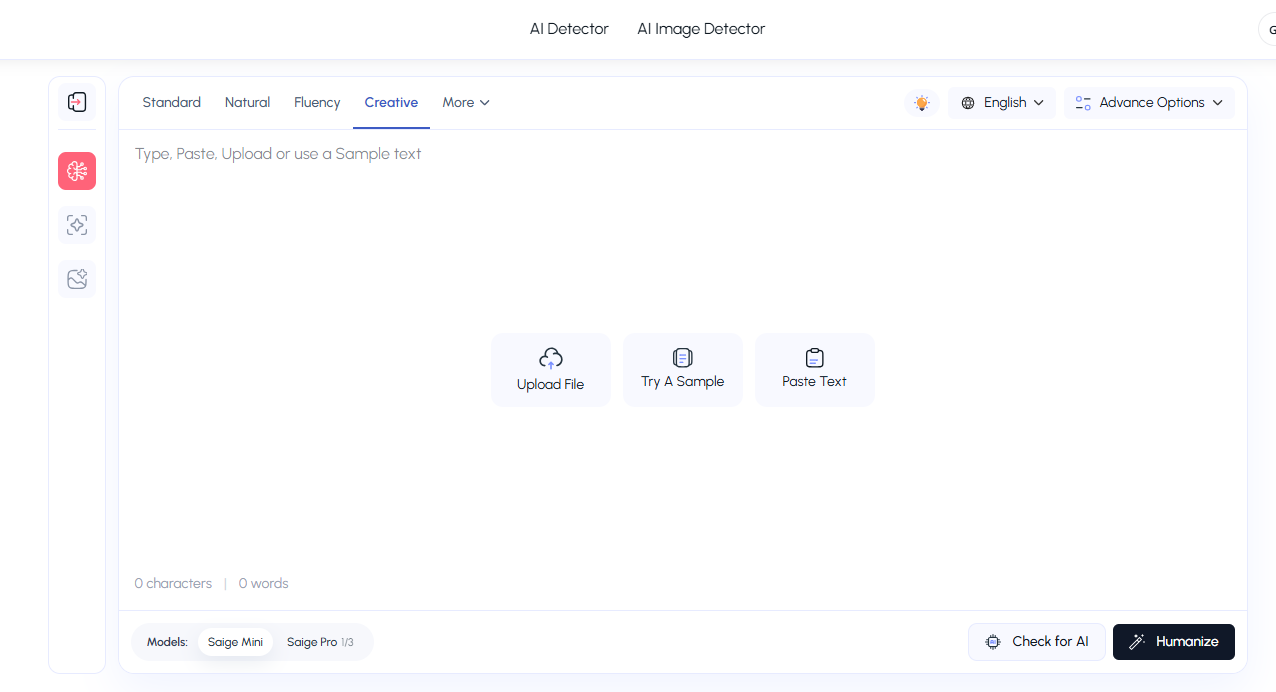
When searching for a humanizer for students, the motive shouldn’t be to replace their own thinking or writing skills. An AI humanizer should work as an editing assistant for the students. It should help them find the areas where their writing should be clearer and more natural.
How is the AI Humanizer Helpful?
The AI humanizer is helpful in so many ways. We have listed various benefits of the AI humanizer. These are all important for students to improve academic writing.
Makes Writing More Natural
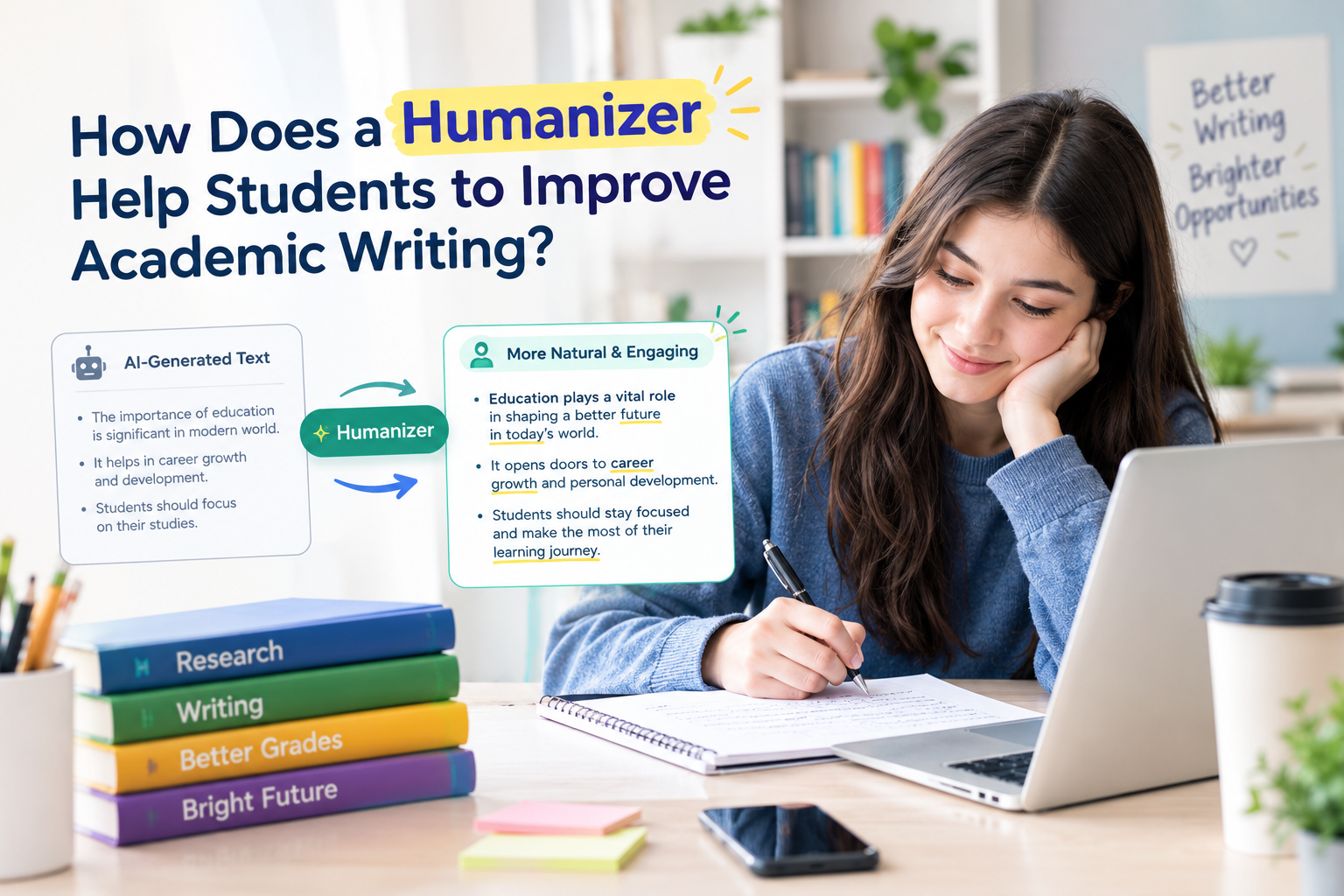
The primary benefit of the humanizer is that it makes sentences sound less rigid. Academic writing needs to be formal. But it doesn’t need to be difficult to read. For example, rather than writing:
“The utilization of technology provides students with the capability to facilitate the process of learning”.
A clear and easy to understand version is:
“Technology helps students make the learning process easier.”
The second sentence provides the same general idea directly and conveniently. Anybody can understand it. This type of revision makes academic writing more accessible without removing its academic purpose.
Improves Sentence Structure
Students sometimes write long sentences. They also mix several ideas which makes the content rough. Long sentences with several ideas make the strong argument difficult to follow.
A humanizer identifies awkward sentence structure. It provides clear and contextual alternatives. The humanizer breaks complicated sentences into shorter and logically connected sentences. Such sentences improve readability. It also helps readers understand the writer’s argument.
However, students should always review suggested changes themselves. Automated tools can sometimes change the intended meaning or remove important context.
Reduces Repetition
When students write an assignment, they face issues regarding repetition. Students use the same words or phrases again and again. This happens when they are writing an essay on an unfamiliar subject.
AI humanizer helps to convert such phrases into sentences that fit more to that subject. For example, rather than just using “calculation” or “calculate”. They can use words like “compute”, “estimate” or “determine”.
This makes an essay feel more varied. It also encourages students to think carefully about word choice.
Helps Improve Readability
One feature of good academic writing is that it is understandable to its intended audience. If the subject is complex. The student needs to explain it in a clear manner. They also need to make sure that the idea is well organized.
Humanizing a piece of writing helps improve sentence flow, word choice, paragraph transitions, overall readability, clarity of explanations and tone consistency.
These improvements make it easier for readers to follow the main argument from start to end.
Improve the Tone
Students sometimes use a tone that is not appropriate for the content. They struggle with altering the tone of the content. In this scenario, the AI humanizer becomes a helping hand as it provides an academic tone option.
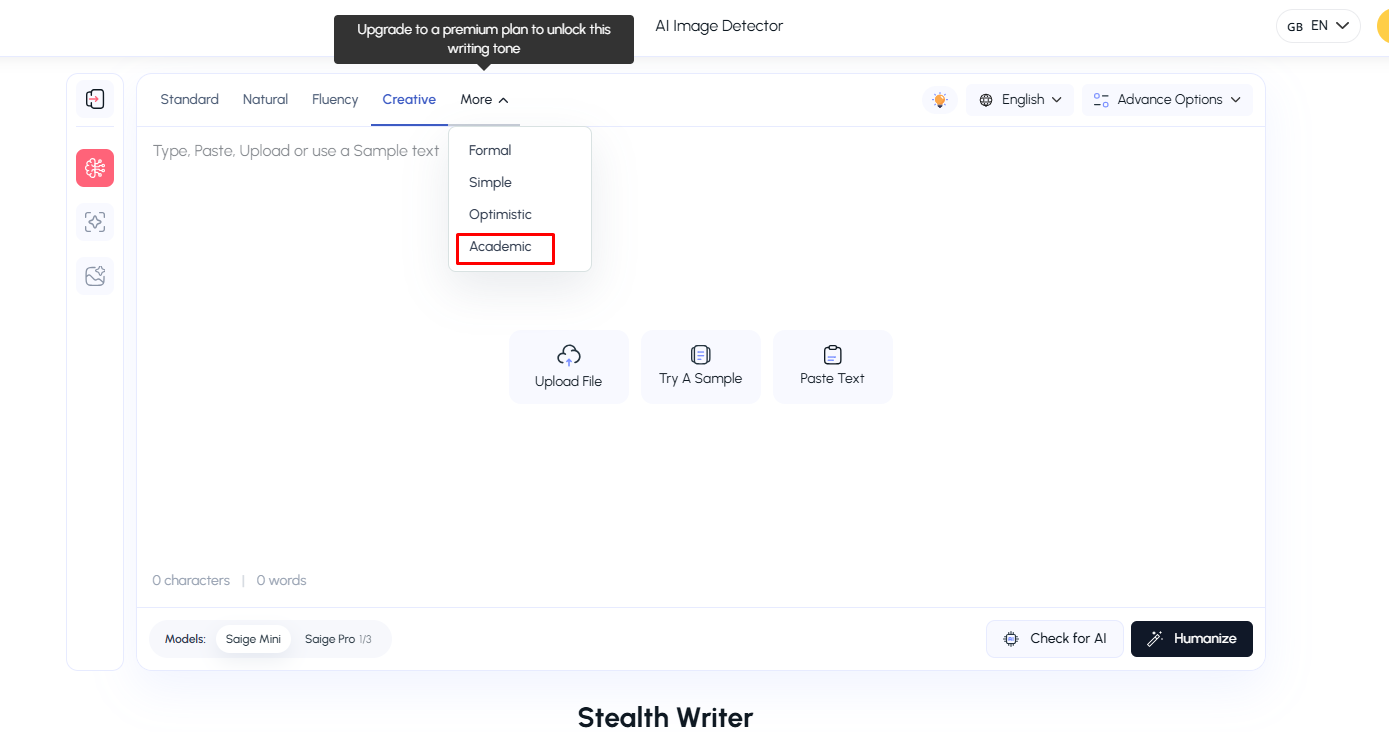
When they choose the academic tone option, the tool will provide them with content in the required tone. Hence, they will have the writing in the required tone. They need to review and add their own perspective so the final outcomes contain human alteration.
Supports Better Editing
When students write an academic assignment, they have to go through various stages. This includes researching, planning, drafting, revising, proofreading and finalizing.
An AI humanizer is useful during the revision stage. Suppose a student is revising the first draft of the content. She finds awkward or robotic sentences. She can use an AI humanizer to make the content read smoothly
The thing to remember here is that students should edit the content. They shouldn’t accept every suggestion blindly. When they read the revised version carefully. It will help them to decide if the changes actually improve their writing.
Helps Students Learn From Their Mistakes
When students compare their original sentences with improved versions. They may start to recognize patterns in their own writing. For example, they will notice that they frequently:
Use unnecessarily long sentences.
Repeat the same words.
Write sentences in passive voice.
Add unnecessary phrases.
Use complicated vocabulary when you can use simpler words.
Over time, recognizing these patterns helps students become better independent writers.
Different Types of Academic Writing
Students work on many different forms of academic writing. They may be working on essays, research papers, reports, reflections, summaries or presentations.
A humanizer helps adjust wording and sentence flow according to the type of writing. For example, a research report requires a more formal style. But a reflective assignment may allow a more personal tone.
Students should still follow their instructor's specific requirements regarding tone, formatting, citations, and structure.
Humanizers Should Not Replace Original Thinking
Although humanizers can be useful, they should not become a substitute for genuine academic work.
The most important parts of an assignment should come from the student. Such as choosing an argument, conducting research, analyzing evidence, developing ideas, and writing conclusions.
Students should also follow their school's or university's rules regarding AI and writing tools. If an institution requires disclosure or restricts certain tools, those requirements should take priority.
A humanizer is most valuable when it is used as an editing and learning aid, rather than as a way to avoid doing the writing.
Final Thoughts
A humanizer can be a helpful addition to a student's writing process. It improves sentence flow, reduces repetition and highlights awkward wording. It helps students present their ideas more clearly.
However, students should remain responsible for their ideas, research, arguments and final work. When combined with careful revision and a willingness to learn. A humanizer can support students in developing clearer, more natural and more effective
academic writing.